
By Maria Mothibeli, Head of Operations: SPM
Anyone who has worked on infrastructure projects knows that drawings and site reality do not always look the same.
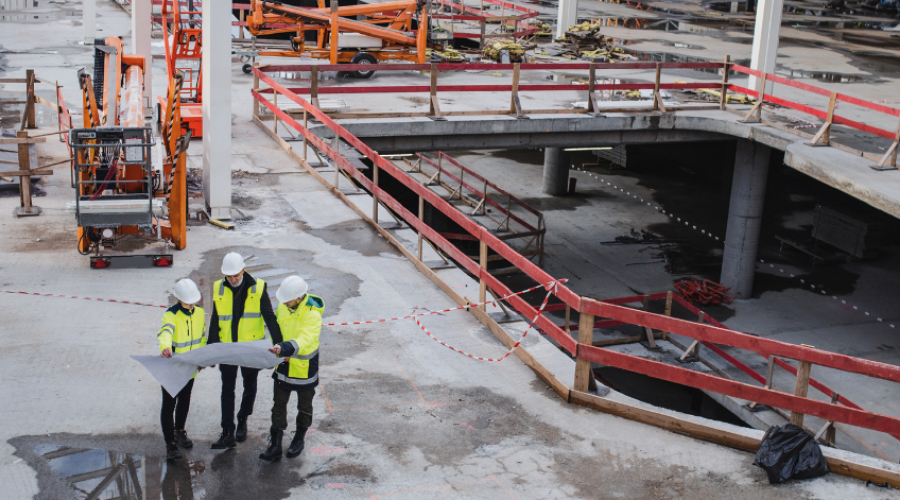
Facilities evolve over time. Equipment is modified, access routes change, and previous maintenance work leaves its own imprint on the environment. Documentation reflects the intended configuration of a site, but the physical conditions often reveal details that only become clear once teams are on the ground.
Those conditions influence how work is carried out.
Access is often the first factor that shapes execution. The positioning of equipment, the available working space, and the proximity of other infrastructure determine how teams move, where tools are placed, and how materials are handled. Activities that appear straightforward on drawings sometimes require adjustments once the site layout is fully understood.
Operational sites also require careful coordination while work is underway. Teams often work within active facilities where equipment remains in service and access is tightly controlled. Before work begins, teams confirm isolation procedures, access arrangements, and the sequence in which tasks can be carried out so that maintenance activities fit within the client’s operational requirements.
Environmental factors also influence execution. Weather, ground conditions, and visibility can affect both safety procedures and the pace of work. These elements may not appear prominently in planning documentation, yet they shape how work unfolds during execution.
Experienced teams assess site conditions continuously as work progresses. They confirm that the planned sequence still reflects what is practical and safe in the moment. When adjustments are required, they are made carefully so that safety standards and technical requirements remain fully respected.
Site teams, project managers, and client representatives remain closely aligned whenever site realities influence how work proceeds. Adjustments to sequencing or access are discussed, documented, and coordinated so that everyone involved understands the change and the reason behind it.
Preparation plays an important role in managing these dynamics. Thorough planning, experienced personnel, and strong coordination allow teams to respond confidently when site conditions require adjustments.
Another factor that often shapes execution is the condition of existing infrastructure. Equipment that has been in service for many years may present wear patterns, space limitations, or configuration differences that were not fully visible during the planning stage. When this occurs, teams must assess the situation carefully and adjust the approach so that the work can proceed safely and correctly.
Experience plays a significant role in these moments. Teams that have spent years working in operational environments develop the ability to recognise potential constraints early and adapt without compromising safety or technical standards. Their familiarity with similar sites allows them to make practical decisions while maintaining the integrity of the work.
Infrastructure work requires this level of adaptability.
Plans provide the direction for the work. Site conditions determine how that work is ultimately carried out. Successful execution depends on recognising the relationship between the two once teams arrive on site.