By Ntombi Mazibuko, Head of SHERQ: SPM
Imagine trying to operate heavy machinery after a sleepless night filled with anxiety. Your reaction time slows, your focus slips, and one small mistake could lead to a serious incident. Now imagine doing that every day, under pressure, without support.
This isn’t a stretch—it’s the daily reality for many workers across industries.
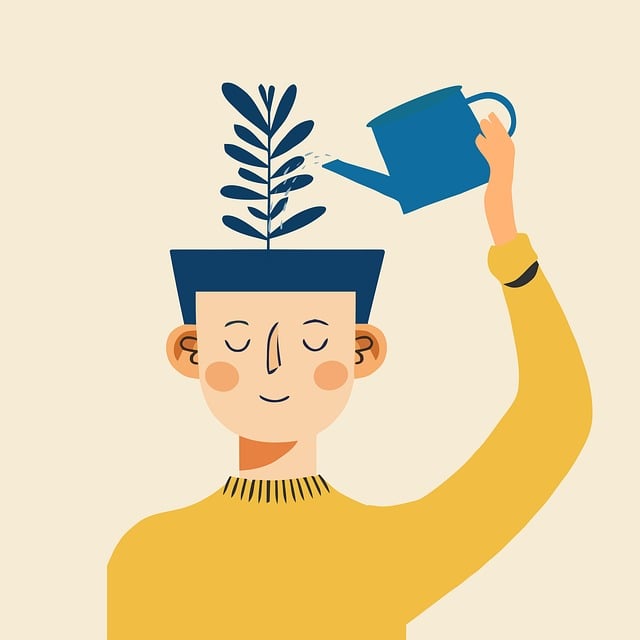
In today’s high-pressure workplaces, mental health isn’t just a personal issue—it’s a safety issue. Yet, many SHERQ (Safety, Health, Environment, Risk, and Quality) systems still overlook this crucial link. At SPM, we believe that a strong SHERQ culture must consider both physical and mental well-being. We can’t truly say we’re committed to health and safety if we only focus on hard hats and hazard signs while ignoring what’s happening inside people’s minds.
Why Mental Health Matters to SHERQ
Let’s break it down:
- It Directly Affects Safety
Stress, fatigue, depression, and anxiety can cloud judgment and slow reaction times. This increases the risk of mistakes, accidents, and even serious injuries on site.
- It Undermines Risk Awareness
When someone’s struggling mentally, they might cut corners, overlook warning signs, or fail to report something unsafe. That’s not carelessness—it’s the impact of an overwhelmed mind.
- It Impacts Team Culture
Strong SHERQ culture depends on open communication and accountability. But people are less likely to speak up when they don’t feel psychologically safe or fear being judged for admitting they’re not coping.
- It Impacts Productivity and Quality
Poor mental health often leads to absenteeism, presenteeism (being at work but not fully functioning), and lower quality of work. This affects performance, customer satisfaction, and even the company’s reputation.
What We’re Doing at SPM
We’re working to make sure mental health is fully integrated into how we think about SHERQ—not as a box to tick, but as a core part of how we take care of our people.
- Leadership That Sets the Tone
- Our leaders speak openly about mental health and model vulnerability.
- Mental wellbeing is reflected in our SHERQ strategies & policies.
- We treat psychological safety as essential to operational safety.
- More Holistic Risk Assessments
- We’ve expanded our risk assessments to include psychosocial hazards—like stress, harassment, and emotional burnout.
- We recognise the unique demands of each role in high-risk settings
- Equipping Our Managers
- We train our leaders to recognise early warning signs of stress and burnout.
- They’re taught how to respond empathetically and guide employees to help.
- A Safe Space to Speak Up
- Mental health conversations are encouraged, not avoided.
- We’ve created spaces and platforms for employees to seek help without fear or stigma.
- Access to Real Support
- Through our Momentum partnership, employees can access free counselling and support via the Employee Assistance Programme (EAP).
- We run quarterly wellness campaigns focused on mindfulness, resilience, and stress management.
- Measuring What Matters
- Mental health is now part of our SHERQ audits and reviews.
- HR monitors trends like absenteeism, presenteeism, and fatigue-linked incidents to guide early intervention.
- Building Awareness into SHERQ Activities
- We bring mental health themes into toolbox talks, SHEQ committee meetings, and safety campaigns to keep the conversation going.
The Way Forward: A Culture That Cares
SHERQ isn’t just about ticking compliance boxes—it’s about protecting the people who bring our workplaces to life. And people don’t walk through the door without their emotions, stress, or personal struggles.
When we put mental well-being at the centre of our SHERQ culture, we don’t just reduce risks—we unlock trust, better communication, stronger teams, and higher performance.
At SPM, we’re committed to creating a workplace where mental health is not an afterthought—it’s a core part of how we keep our people safe, engaged, and supported. Because when minds are healthy, safety becomes second nature—and that’s what real SHERQ excellence looks like.
Let’s keep talking, listening, and leading with empathy—because real safety starts with a healthy state of mind.