By Mpho Selepe, Acting Logistics Manager: SPM
Logistics supports project execution by ensuring materials, vehicles, access, and documentation are in place before work begins. When these elements are not controlled early, issues surface on-site where they are harder to correct. The controls below are applied as part of routine logistics coordination to reduce disruption during technical work.
- Material sequencing is controlled
Materials are scheduled according to the installation sequence. Items not required for the immediate phase of work are not delivered early. This limits congestion, reduces handling, and prevents materials from becoming site obstacles rather than inputs to the work.
- Loads are checked against site conditions
Load weight, dimensions, lifting requirements, and offloading space are confirmed before dispatch. Deliveries that cannot be offloaded safely or positioned correctly create delays and increase risk. Load planning is done with the receiving site in mind.
- Vehicles are assigned based on suitability
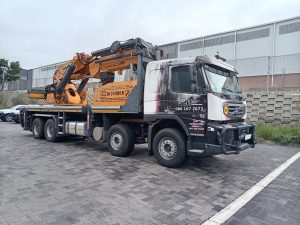
Vehicles are selected according to access constraints, terrain, clearance, and certification requirements. Mechanical condition is verified before allocation. Vehicles that are not suited to the site environment are not dispatched.
- Access requirements are confirmed in advance
Permits, escorts, access windows, and site rules are confirmed before scheduling movement. Access is treated as a fixed constraint during planning. This prevents deliveries arriving without approval to enter or offload.
- Documentation is verified before movement
Waybills, permits, delivery notes, and compliance documents are checked prior to dispatch. Missing or incorrect documentation can halt work even when equipment is on site. Verification is completed before transport begins.
- Storage and laydown areas are defined
Materials are delivered to designated laydown areas with clear identification and protection requirements. Poorly managed storage increases the risk of damage, loss, and time spent relocating items during work.
- Handover responsibility is assigned
Each transfer point has a defined handover. Responsibility is clear from delivery through to release for installation. This prevents uncertainty when issues are identified and allows corrective action to happen early.
These controls are applied to reduce avoidable disruption and keep technical work moving as planned. Logistics supports execution by managing dependencies before they reach site.