
By the SHERQ Team at SPM
Environmental risks need to be managed while work is underway, not only when the job is done. This includes how teams manage waste, prevent spills, use water, store materials and leave work areas.
Small oversights can affect soil, water, equipment and the people working in the area. These checks help teams keep environmental risks under control.
- Waste left in the wrong place
Waste should not be left lying around or mixed together without thought. General waste, scrap material, packaging, oily rags and hazardous waste need to be handled properly. When waste is separated and placed where it belongs, the area is easier to manage and environmental risks are easier to spot.
- Oil, fuel or chemical spills
Spills should be reported and dealt with as soon as they are noticed. A small leak from a vehicle, machine, or container can spread quickly if ignored. Teams should know where spill kits are kept, how to use them and who needs to be informed.
- Poor storage of hazardous materials
Chemicals, oils, fuels, and other hazardous materials should be stored in the correct containers and areas. Containers should be closed, labelled, and kept where they are unlikely to be damaged or knocked over. Poor storage can create unnecessary risk for the site and for people working nearby.
- Water used carelessly
Water is often needed for cleaning, dust control and other site activities. It still needs to be used responsibly. Leaking hoses, open taps and uncontrolled runoff can create waste and make work areas harder to manage. Leaks should be reported, taps should be closed properly, and water should not be used carelessly.
- Dust and loose material spreading
Dust, soil, debris and loose material can move into areas where they should not be. This can affect visibility, equipment, nearby teams and the surrounding environment. Material should be covered where needed, work areas should be kept tidy and unnecessary movement through loose material should be avoided.
- Blocked or contaminated drains
Stormwater drains should be kept clear of waste, oil, chemicals and loose material. Anything that enters a drain can quickly move beyond the work area. Teams should avoid washing contaminated material into drains and should report blocked or contaminated drains early.\
- Damaged containers and drums
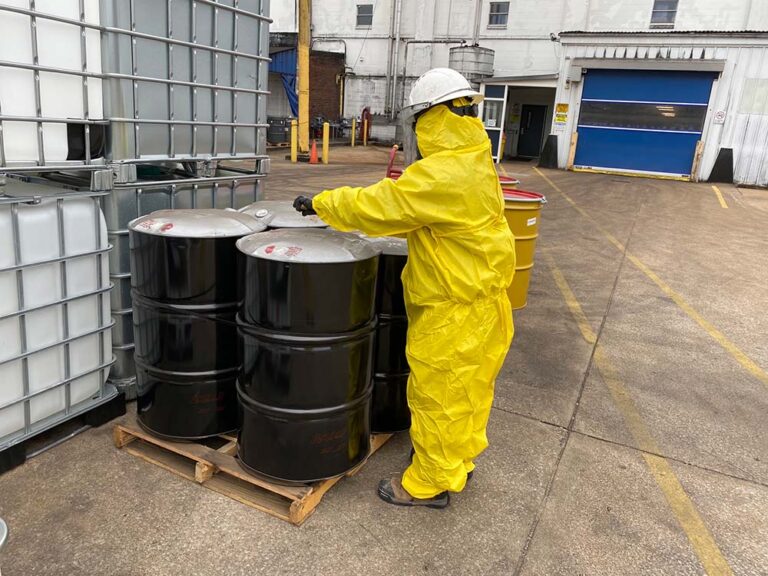
A damaged drum, leaking container or loose lid should not be ignored. Containers used for oil, fuel, chemicals or waste should be checked and kept in good condition. If a container is damaged, it should be reported and dealt with before it causes a bigger problem.
- Equipment leaks
Vehicles, generators, pumps and other equipment can leak oil, fuel or hydraulic fluid. Teams should pay attention to stains, drips or unusual marks under equipment. A leak that is caught early is easier to contain and repair.
- Work areas left untidy
A task is not properly completed if the work area is left untidy. Tools, packaging, offcuts, used materials and waste should be cleared before the area is handed over or left for the day. A clean area makes it easier to see leaks, hazards and anything that may have been left behind.
- Environmental risks not reported early
Environmental risks should be reported while they are still manageable. A leaking drum, a poor waste area, a blocked drain, a damaged container, or uncontrolled runoff may look small at first. If it is reported early, it can be dealt with before it becomes a bigger issue.
Environmental care is part of doing the work properly. When teams pay attention to waste, spills, storage, water use, equipment and housekeeping, they reduce avoidable risk and leave the work area in better condition.