
By Maria Mothibedi, Head of Operations: SPM
Across Africa, electrical infrastructure is being asked to perform in conditions it was not originally designed for. Heatwaves are longer, storm systems are more intense, flooding patterns are shifting, and dust exposure in arid regions is increasing. For power-dependent industries, this is no longer an environmental discussion. It is an operational one.
Resilience is not about adding capacity. It is about ensuring that existing medium- and high-voltage systems remain stable under stress. That responsibility sits within maintenance strategy.
Electrical infrastructure does not fail because of weather alone. It fails when external stress meets internal vulnerability.
Extreme heat accelerates insulation ageing and degrades transformer oil. Flooding compromises foundations, earthing systems, and cable integrity. Dust and contamination weaken insulation strength and increase flashover risk. High winds place strain on steelwork, busbars, and exposed components.
These are no longer isolated events. They are operating realities across mining, manufacturing, utilities, renewables, and large private power users. Climate is now an operating variable.
Many maintenance frameworks still assume environmental stability. Annual inspections. Fixed service intervals. Calendar-based checks.
As volatility increases, time-based maintenance alone becomes insufficient.
Planning must reflect geography. Coastal corrosion differs from inland dust. High-altitude heat behaves differently from humid low-lying regions. Oil sampling frequency, thermal scanning intervals, and insulation assessments must adjust accordingly. Assets exposed to sustained stress do not age linearly.
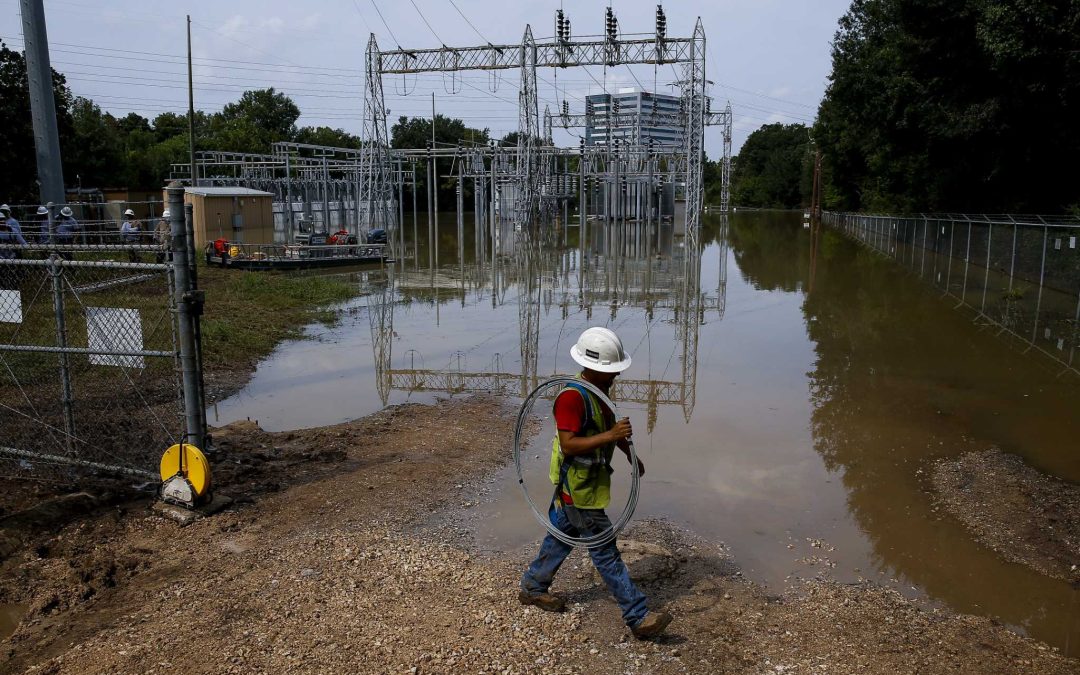
Flood resilience is frequently underestimated. Earthing systems degrade quietly. Drainage deficiencies compound exposure. Foundations weaken incrementally. These vulnerabilities surface when conditions are most severe. By then, intervention is reactive.
Protection philosophy must also evolve. Load profiles shift as operations expand and electrification increases. Relay coordination that was appropriate five years ago may no longer reflect present system behaviour.
When environmental exposure is not integrated into maintenance planning, failure severity increases. A transformer operating near thermal limits during a heatwave has minimal tolerance for additional switching stress. A contaminated insulator under high humidity increases flashover probability. Saturated ground conditions reduce structural stability.
Such events are often labelled as extreme weather damage. In many cases, they are the result of cumulative exposure without adaptation.
Resilience is not about preventing storms. It is about ensuring systems withstand them.
As industrial operations become more electrified, tolerance for instability narrows. Downtime disrupts production cycles, safety systems, contractual obligations, and financial performance.
Resilience is built through disciplined oversight and early intervention. Environmental stress is no longer exceptional. It is operational. The question is not whether extreme weather will occur, but whether maintenance strategy has adapted to this reality.