
By Hosia Makgakga, Logistics Manager, SPM
Getting equipment to site on time matters. But a delivery is not much use if the wrong equipment arrives, something is missing, or the team cannot use it when it gets there.
Many of those problems can be caught before the vehicle leaves the warehouse. A few minutes spent checking a load can save hours of phone calls, delays and unnecessary transport later.
- Check that it is the right equipment
Start with the request. Make sure the description, specifications and quantity match what the site asked for. This sounds basic, but similar equipment is not always interchangeable, particularly when it has been selected for a specific job.
- Check its condition
Equipment should leave the warehouse ready to be used. Look for obvious damage, wear or missing parts before it is loaded. If an inspection or test is required, it should happen before dispatch, not after the equipment has arrived on site.
- Check what needs to go with it
Sometimes the main item is ready, but one small component has been left behind. A cable, fitting, attachment or tool can be the difference between equipment arriving and equipment actually being useful. Check the full requirement, not only the largest item on the request.
- Check the paperwork
The paperwork should match what is being dispatched. Depending on the equipment and the job, this may include delivery documents, equipment records or other supporting information. Sorting out missing paperwork once the vehicle is already on the road wastes time.
- Confirm exactly where it is going
A site name may not be enough. Confirm the address, the correct entrance and any instructions the driver will need. On a large site, arriving at the gate does not necessarily mean arriving where the equipment is needed.
- Make sure someone is expecting it
The person receiving the equipment should know what is coming and roughly when it will arrive. The driver or logistics team should also have that person’s contact details. A vehicle waiting at a site because nobody knows who should receive the load is an avoidable delay.
- Check how it has been loaded
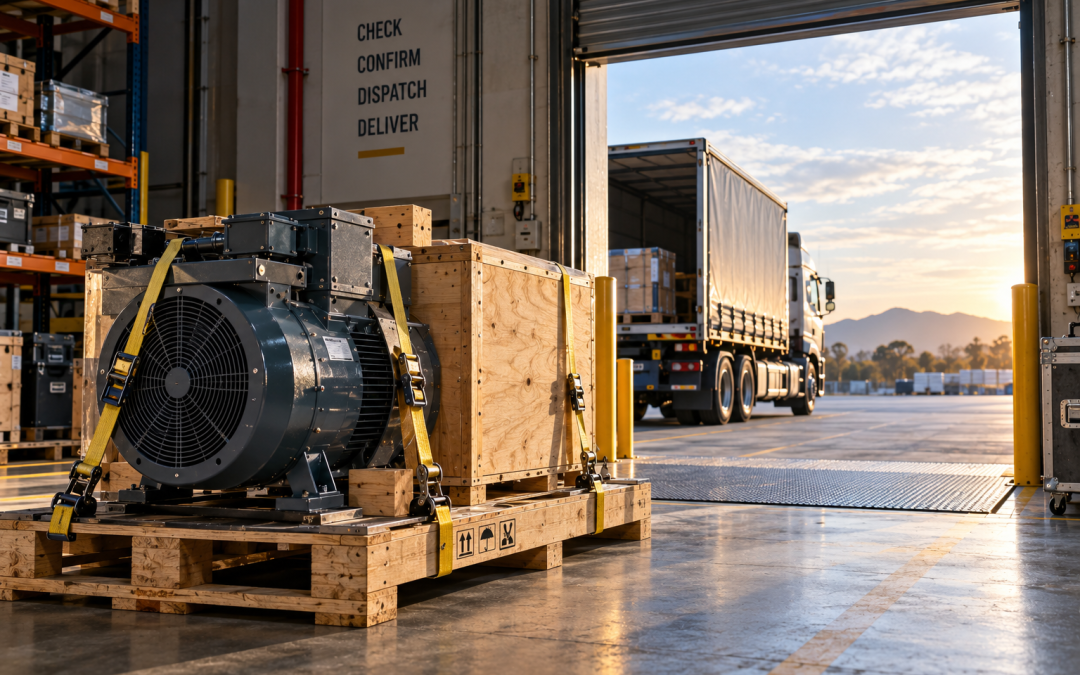
Equipment has to arrive in the same condition in which it left. Its size, weight and shape will determine how it should be loaded and secured, and whether the vehicle is suitable for the job. Getting everything onto the vehicle is not the same as transporting it properly.
- Know what happens at the other end
Before dispatch, confirm how the equipment will be offloaded and where it will go once it arrives. If the site needs lifting equipment, extra personnel or particular access arrangements, that should not be discovered when the truck is already waiting outside.
Logistics tends to attract attention when something goes wrong. A delivery is late. An item is missing. Equipment arrives damaged. Yet much of good logistics happens before anyone on site sees the delivery.
A proper dispatch check is simple. Correcting a mistake after equipment has travelled hundreds of kilometres usually is not.