
By Hosia Makgakga, Logistics Manager, SPM
A planned shutdown doesn’t leave much room for recovery. If something important hasn’t arrived, if access hasn’t been arranged or if equipment isn’t where it’s supposed to be, the problem doesn’t stay in Logistics. It becomes everyone’s problem.
People often think shutdowns are won by what happens on site. In reality, a lot of them are won weeks earlier, while people are still planning deliveries, confirming materials and asking awkward questions before anyone starts loading a truck.
These are eight checks our logistics team believes should happen before a planned shutdown begins.
- Make sure the material list is actually complete
A missing gasket, the wrong cable or an outdated drawing can hold up work just as easily as a delayed transformer.
Before anything is ordered or loaded, someone needs to be confident the material list reflects the latest approved scope. Guessing usually becomes expensive later.
- Know which items can stop the whole job
Every shutdown has a handful of materials that everything else depends on. If one of those items doesn’t arrive, work stops.
Those are the items that deserve the closest attention. Track them early. Follow up with suppliers. Have a backup plan if one exists. Waiting until the week of the shutdown is usually too late.
- Confirm the site is ready to receive deliveries
A truck arriving at the gate doesn’t mean the delivery can happen.
Access times, permits, inductions, escorts and security requirements all need to be confirmed beforehand. Too many delays happen because everyone assumed somebody else had already checked.
- Use the right vehicle for the job
Moving equipment isn’t simply about finding an available truck.
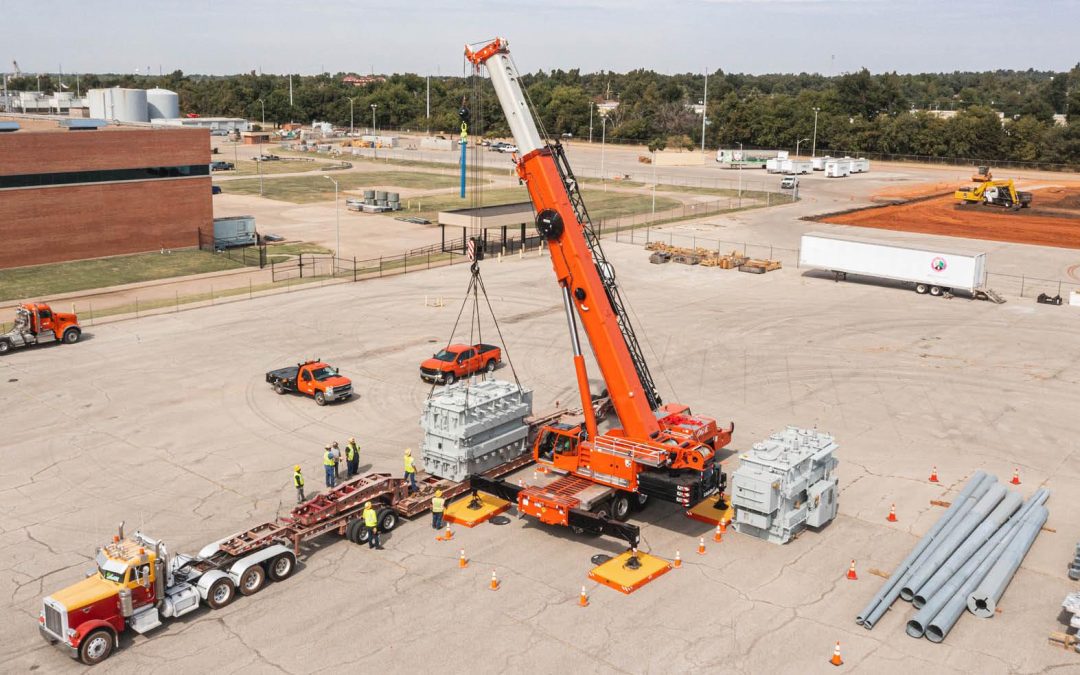
The weight of the load, road conditions, lifting requirements and the site’s access all influence which vehicle should be used. Getting that decision wrong can damage equipment before work has even started.
- Check that unloading has been planned
Deliveries don’t finish when the vehicle arrives.
Is there a crane available? A forklift? The right lifting gear? Are the people who need to receive the load actually on site?
These questions sound obvious. They aren’t always asked.
- Decide where everything is going
Materials shouldn’t arrive and then wait for someone to decide where to put them.
Laydown areas, storage space and protection from weather or damage should all be planned before the first delivery reaches site. Good organisation at the start usually saves hours later.
- Make sure everyone is working from the same plan
Logistics, Procurement, Project Management and the site team all have different responsibilities. They should not have different information.
Delivery dates, contact people, changes to the schedule and special requirements need to be understood by everyone before the shutdown starts. Small communication gaps have a habit of becoming large operational problems.
- Expect something to change
Very few shutdowns unfold exactly as planned.
A supplier runs late. Weather changes. A delivery arrives damaged. The scope changes.
Good logistics planning isn’t about pretending those things won’t happen. It’s about deciding in advance how you’ll respond when they do.
Planning a shutdown is really about reducing uncertainty. By the time work starts, Logistics should already have answered as many questions as possible. The fewer surprises the project team has to deal with, the more likely the shutdown is to finish safely, on schedule and without unnecessary delays.